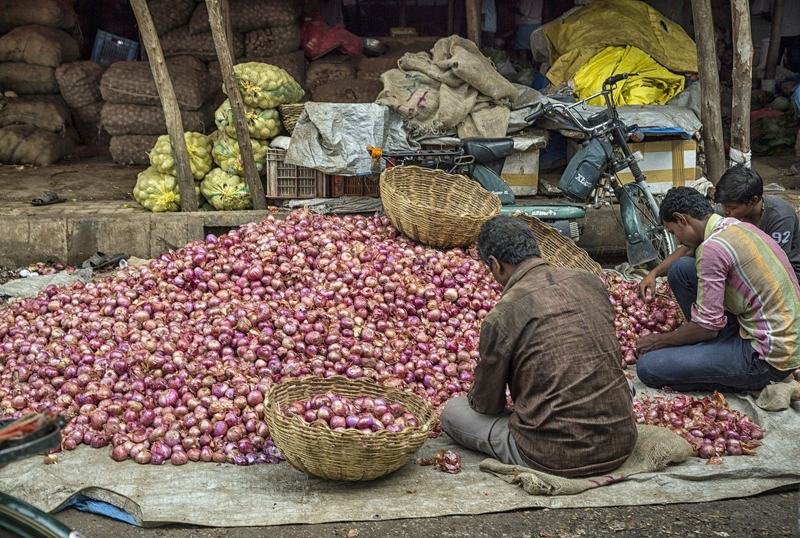

India is one of the world's largest onion producers, and its red onions are a staple across the Gulf, Southeast Asia and East Africa. Here's what to know before you order.
Growing seasons
Indian onions come from several crops a year:
- Kharif: planted with the monsoon and harvested roughly October to December. These onions have a shorter shelf life.
- Late kharif: harvested around January to March.
- Rabi: harvested roughly March to May. Rabi onions store best and supply much of the year's exports.
Maharashtra, especially the Nashik region, is the best known source, and Gujarat, Karnataka and Madhya Pradesh are also major growers.
Sizes
Onions are graded by diameter. Common export grades include:
- 25–40 mm: small, often for price-sensitive markets and processing.
- 40–60 mm: the most common export size.
- 55 mm and above: large, for premium retail and food service.
Quality points
- Dry, well-cured outer skins that protect the bulb
- Firm bulbs without sprouting, rot or black mould
- Uniform size and colour within each bag
Packing and shipping
Onions are usually packed in mesh or jute bags of 5 to 25 kg. They're shipped in ventilated or refrigerated (reefer) containers to control temperature and humidity on the voyage.
Export rules
India has used export duties, minimum export prices and temporary bans to manage domestic onion prices, and the rules can change at short notice. We confirm the current position with every quote.
Ask us for red onions by size, packing and destination, and we'll quote for the current crop.