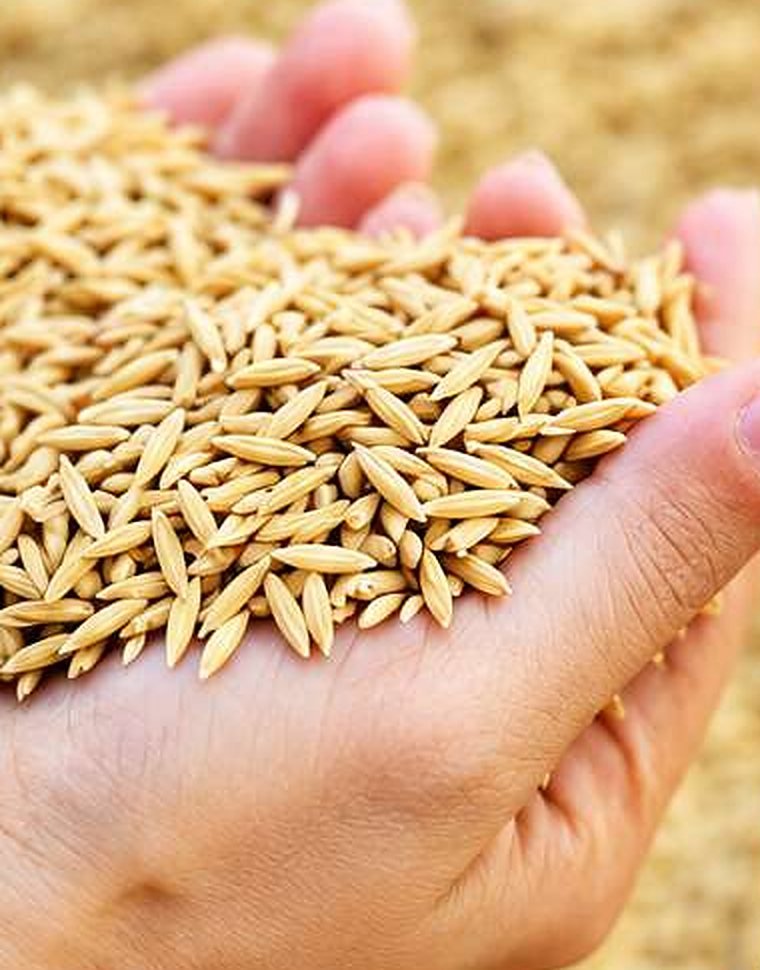
1121 and 1509 are the two basmati varieties most buyers ask us about. They look almost identical in the bag, but they differ in how they're grown, how they cook and how they're priced. Here's what matters when you're choosing between them.
Where the names come from
Both are varieties bred at the Indian Agricultural Research Institute in New Delhi. Pusa Basmati 1121 was released in the early 2000s and became the benchmark for extra-long grain basmati. Pusa Basmati 1509 came about a decade later. It matures several weeks earlier in the field, which lets farmers fit another crop into the season.
Side by side
| 1121 | 1509 | |
|---|---|---|
| Average raw grain length | About 8.3 mm (typical) | 8.30–8.45 mm (our specification) |
| Cooked elongation | Very high, among the longest cooked grains | High, slightly less than 1121 |
| Aroma | Mild to medium | Mild to medium |
| Crop duration | Longer | Shorter |
| Typical price | Higher | Usually lower than 1121 |
| Forms available | Raw, steam, creamy sella, golden sella | Raw, steam, creamy sella, golden sella |
1121 figures are typical averages; 1509 follows our specification sheet. Actual length and cooking vary by crop year, region and milling.
How they cook
Both varieties stay separate and non-sticky when cooked properly, which is why they're used for biryani, pulao and mandi. 1121 is famous for its elongation after cooking and is often chosen where the look of the plate matters, such as restaurants, hotels and premium retail packs.
1509 is also a long grain, up to about 8.5 mm, and cooks fluffy and non-sticky, so many end consumers can't tell the two apart. That makes it a strong choice for price-sensitive retail and for food service where volume matters more than the last millimetre of grain length.
Price and supply
1509 is usually cheaper per tonne than 1121 because of its shorter growing season and higher yield. The gap moves with each harvest, though. A weak 1121 crop or strong demand from one region can narrow or widen it quickly, so compare live quotes rather than last season's prices.
Pesticide residue
Markets with strict maximum residue limits, especially the European Union and the UK, need rice that has been grown and tested to meet them. We offer a pesticide residue free 1509 option for these buyers, backed by a lab report for each lot.
Which should you choose?
- Choose 1121 for premium retail, hotels and restaurants, or when your customers already know and ask for it by name.
- Choose 1509 for value retail, catering and wholesale, or when you need residue-tested rice for Europe.
- Not sure? Order samples of both, cook them side by side and let your buyers decide.
We courier 1121 and 1509 samples in raw and sella forms. Request samples and tell us your destination port.