Every importer eventually weighs basmati against non-basmati. The answer depends on who's eating the rice, how it's cooked and what they'll pay.
What makes rice basmati
Basmati is defined by three things:
- Variety: only certain notified varieties, such as 1121, 1509 and traditional basmati, qualify.
- Origin: it's grown in the Indo-Gangetic plains at the foot of the Himalayas. In India, basmati is protected as a geographical indication for specific states in that region.
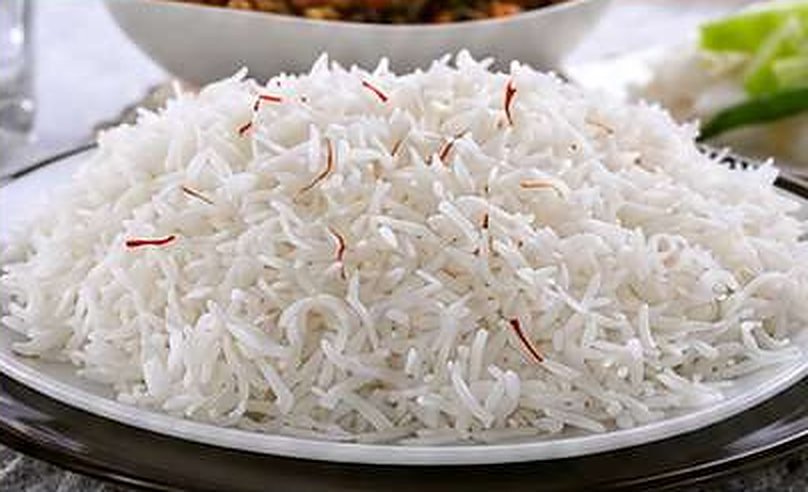
- Grain character: long, slender grains that lengthen a lot on cooking, stay separate and have a distinctive aroma.
Aromatic long grains and non-basmati
Between basmati and everyday rice sit aromatic long grains that are traded alongside basmati. Non-basmati covers every other Indian rice. The ones we export most are:
- Sugandha and Sharbati: long, slender and aromatic, available as steam or sella. They look and cook close to basmati at a lower price.
- IR-64 parboiled: a medium grain from Haryana, Sortex cleaned. Popular for everyday meals, wholesale and institutional buyers.
- Sona Masoori and Swarna: light medium grains for daily cooking.
How to decide
| If your buyers… | Consider |
|---|---|
| Ask for basmati by name or pay a premium for it | 1121 or 1509 basmati |
| Want long, aromatic rice at a lower price | Sugandha or Sharbati |
| Cook in large batches and need firm grains | IR-64 parboiled |
| Want an everyday rice for daily meals | Sona Masoori |
Label it correctly
Only sell rice as basmati if it is basmati. Several import markets, including the UK and EU, check basmati authenticity, and mislabelling can lead to rejected shipments. When you sell an aromatic long grain such as Sugandha or Sharbati, label it the way your market requires.
Consider export policy too
Basmati and non-basmati are treated differently under India's export rules, and non-basmati rules have changed several times in recent years. It's another reason to confirm terms at the time of each quote.
Not sure which fits your market? Ask for a mixed sample set of basmati and non-basmati and compare them yourself.